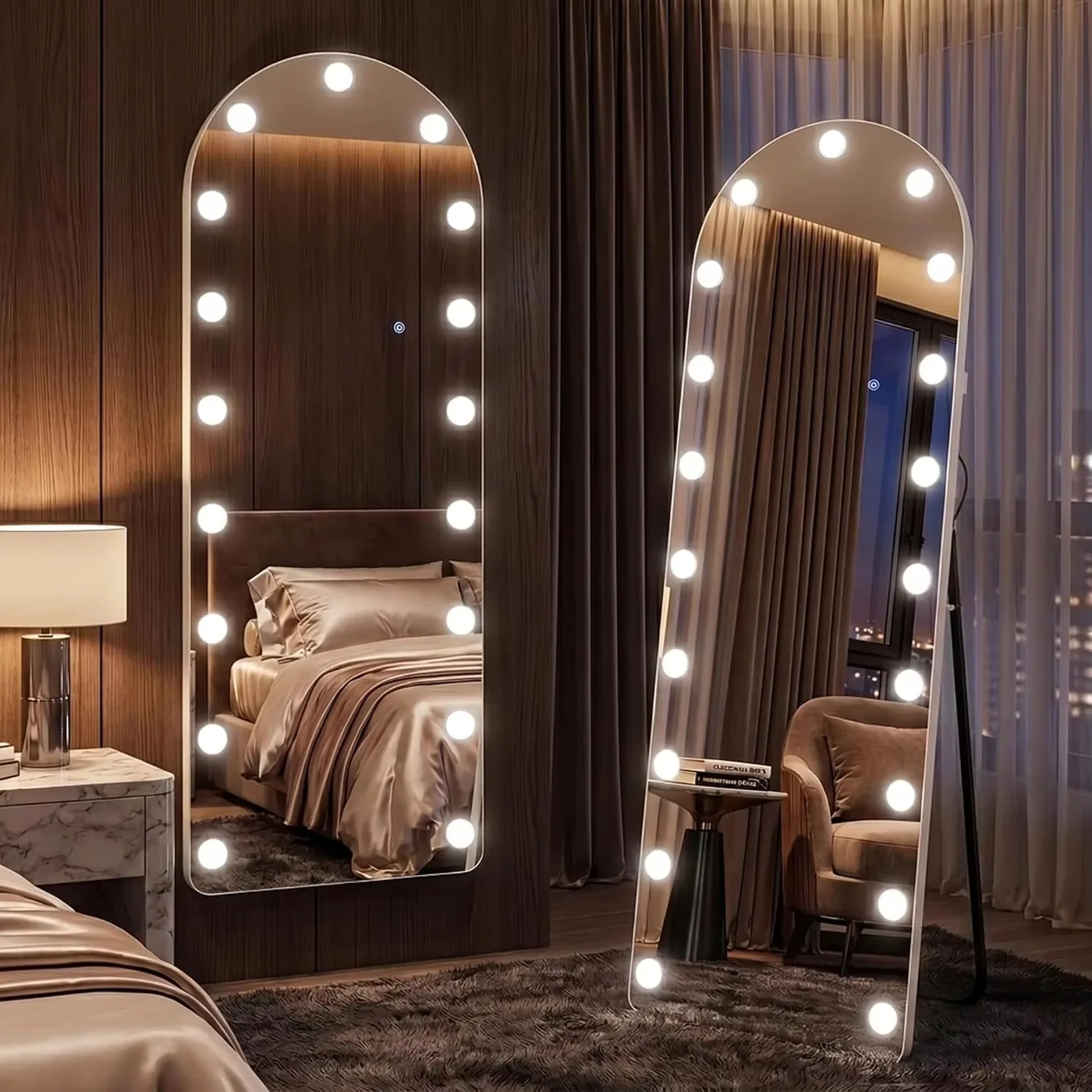
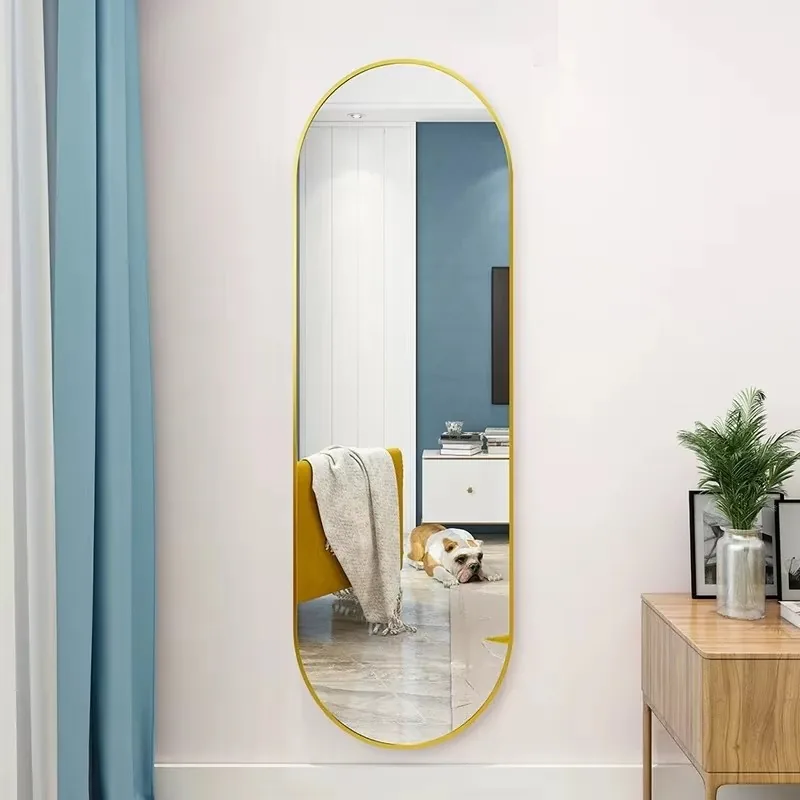
One of the most common questions we get: does my mirror need tempered glass? The honest answer is — it depends on the application. Here is how we advise customers.
When tempered glass is the right call
Full-length floor mirrors in homes with children or pets, mirrors in hotels and public spaces, and any large mirror mounted where people walk beneath it. Tempered glass breaks into small, blunt granules instead of sharp shards.
When film backing is enough
For standard decorative wall mirrors in residential settings, a quality shatterproof film backing on regular silver mirror glass is a cost-effective safety solution — the film holds fragments in place if the glass ever breaks.
What tempering changes in production
Tempered mirrors must be cut, edged and drilled before tempering — no modifications afterward. That means the design must be frozen earlier in the process. Lead times run slightly longer, and the unit cost is higher.
Our approach
We offer both: tempered mirror glass with high-hardness strengthening for safety-critical applications, and film-backed standard mirrors for decorative use. Tell us where the mirror will live, and we will recommend the right construction — ask our team.